Tuesday, October 24, 2006

Models

Cars
A fabulous collection of model cars from the German Democratic Republic at DDR-MODELLAUTOS.INFO. Oh! and space ships and tanks and boats and… Link…

Visual Culture and Health Posters

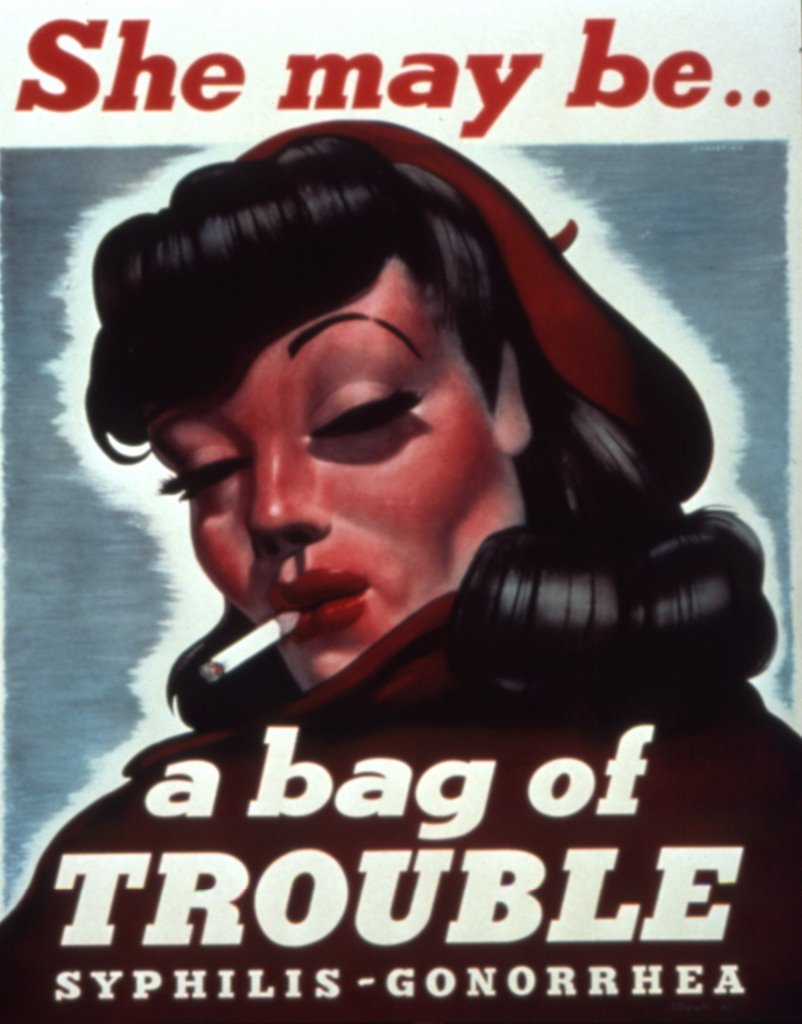
Trouble
The National Library of Medicine (Bethesda) has a selection of posters on their site covering infectious disease, environmental health, anti-smoking campaigns and HIV/AIDS. Great looking art on some of the retro ones. Link…

Monday, October 23, 2006

Mutinus caninus (Dog stinkhorn)

Dog stinkhorn
I have quite a few of these in my garden. Tom Volk has a great fungi site. Check out his fungi of the month. Link…

Friday, October 20, 2006

Free State Art

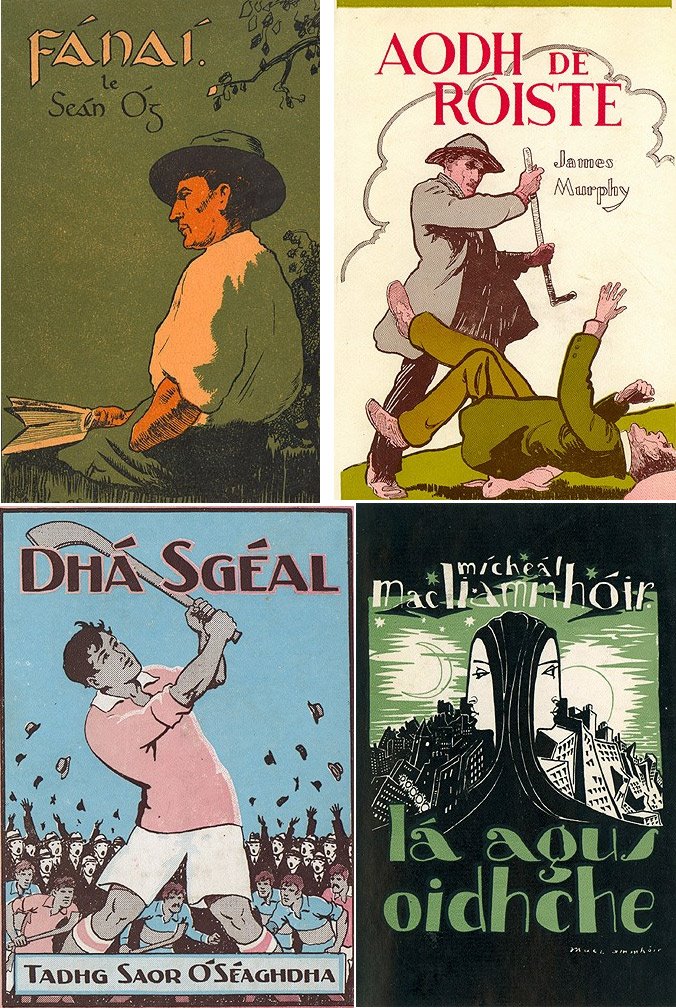
Irish book covers
The Irish Free State established by the Anglo-Irish Treaty (1921) following the War of Independence (1919-1921) pursued a project of cultural nationalism which among other aims focused on reviving the Irish language. The Cumann na nGaedheal government established An Gúm, the publications branch of the Department of Education (later Oifig an tSoláthair/the State Publishing Agency) in 1925-1926 to supply textbooks and fiction in Irish for the educational and recreation needs of the newly independent Ireland. Link…

Thursday, October 19, 2006

Defence of Cumbria in the 20th Century

Pillbox
I used to hang out in pillboxes like this a lot when I was a kid. Not in Cumbria though, Kent. These things are to be found all over the UK. Link…

Wednesday, October 18, 2006

19th-century racial images

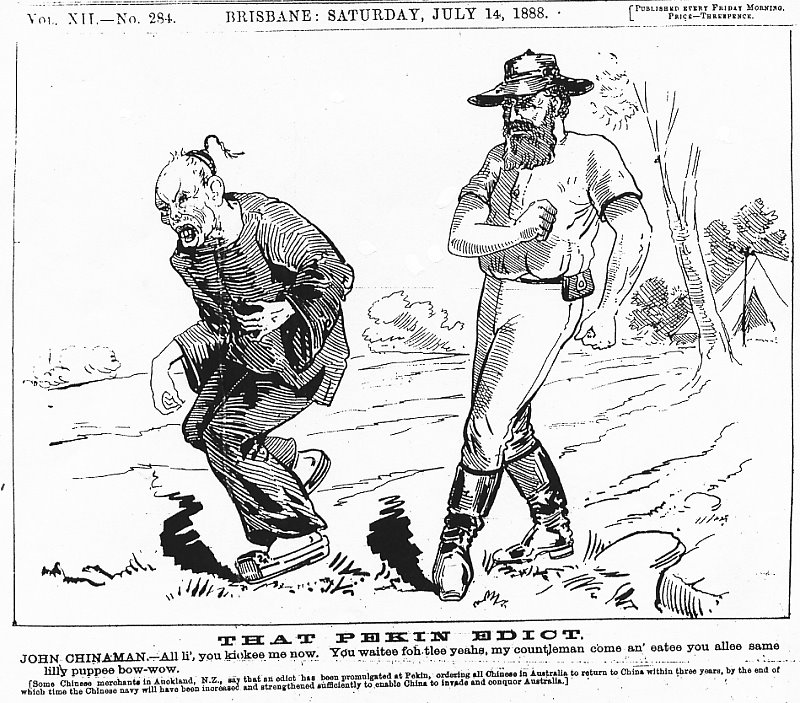
Racial
The majority of these images originally appeared in the Australian popular press of last century. Link…

Tuesday, October 17, 2006

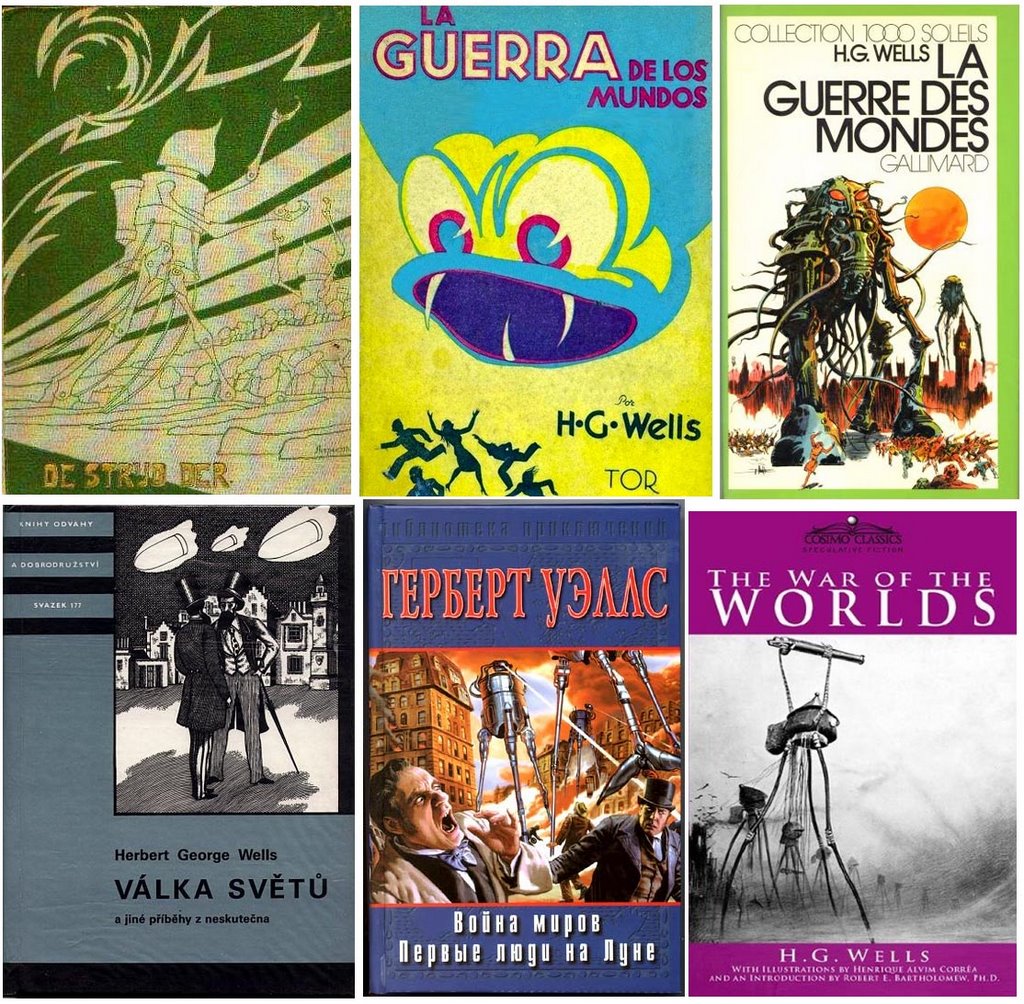
The War of the Worlds

War of the Worlds cover
Over 100 years of covers of the H. G. Wells classic in various languages. Link…

Friday, October 13, 2006

Boxcar art

Boxcar art
Photographs, articles and links about hoboes and trains. Link…

Thursday, October 12, 2006

The Girl's Own Paper

Tell me everything
Fiction and non-fiction, 1880 to 1941. Link… This is just an index. Go to this page to access selected pages. This should all be in one place.

Wednesday, October 11, 2006

Handmoulds

Handmould
A website about the development, shape and use of typefounders' moulds. Is it just me and the industry I work in, or are these not things of beauty? Link…

Monday, October 09, 2006

Ice from Norway to Britain

Ice cutters
19th Century London wanted ice in far greater quantities than the British climate provided. Whilst ice was gathered from lakes, and indeed from the Regent's Canal, and was stored, the amount of ice available was small and its quality often poor. Ice started to be imported from the United States in the 1840's, with the Wenham Lake Ice Company as one of the most famous names in the business. Carlo Gatti brought his first consignment of ice from Norway to London in 1857, of 400 tons, and one of the two ice wells at 12-13 New Wharf Road was almost certainly dug to receive it and store it until it was wanted by customers. Customers wanted ice for food preservation, for making ice cream, and for medical use. In the last 40 years of the century Norwegian ice dominated the market in London. Link…

Thursday, October 05, 2006

Ani


Invaded by the Arabs, Mongols, Turks and Russians. Devastated by earthquakes and storms. Subject to forced emigration and ethnic cleansing. The Armenian city of Ani, in existence since the 5th Century AD, is a ghost city. It now faces another threat - 'restoration' by the Turkish Ministry of Culture. Link…

Wednesday, October 04, 2006

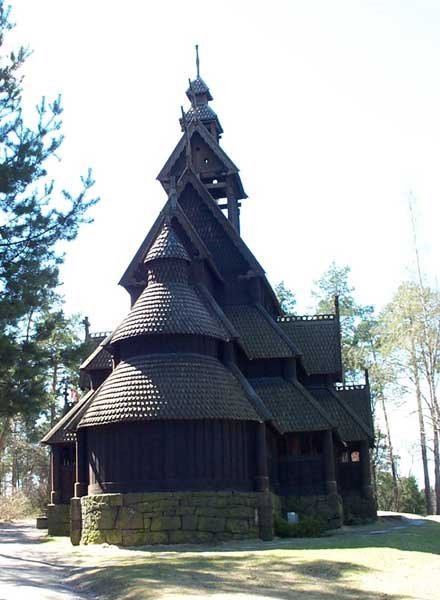
Norwegian Stave Churches


Boat construction and home building in the Viking times had developed the technique and tradition of combining art with wood working. This culminated in the stave churches. There are several types of stave churches but the common element to all of them is that they have corner-posts (�staves�) and a skeleton or framework of timber with wall planks standing on sills. Link…

Tuesday, October 03, 2006

The Illustrated London News


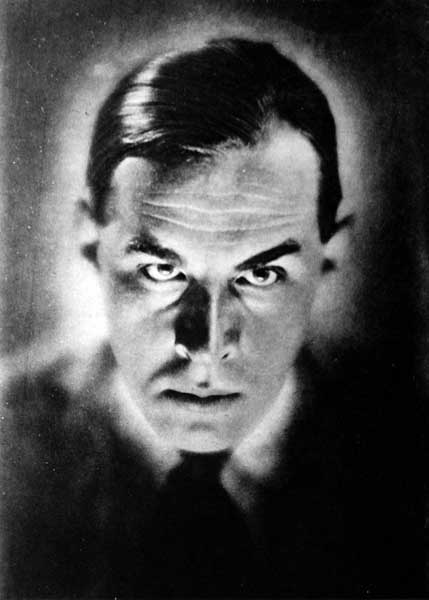
Photograph of Erich Maria Remarque (1898-1970), author of "All Quiet on the Western Front", taken circa. 1929. Just one of the many pictures available from the Illustrated London News picture library. Link…

Thursday, September 28, 2006

The South Sea Bubble Collection


'Many became crazy because they believed in schemes.' The South Sea Bubble stock market crisis in the early part of the eighteenth century and the speculative mania surrounding it. Digital collection at Harvard Business School. Link…

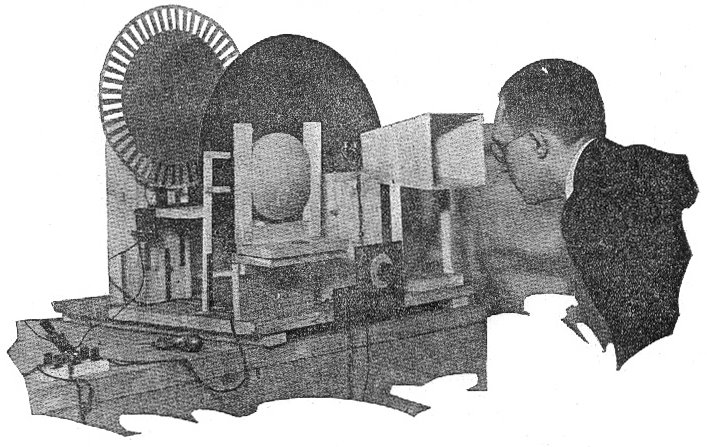
Build your own Baird Televisor


Many of the earliest television receivers were home made, either from parts bought by hobbyists from electrical suppliers or from kits sold by Baird Television. These articles were published in Television, the 'official organ of the Television Society', between March and May 1928. They give full instructions of how to build a Televisor and operate a television link between two rooms. Link…

Tuesday, September 26, 2006

Kent University Print Collection


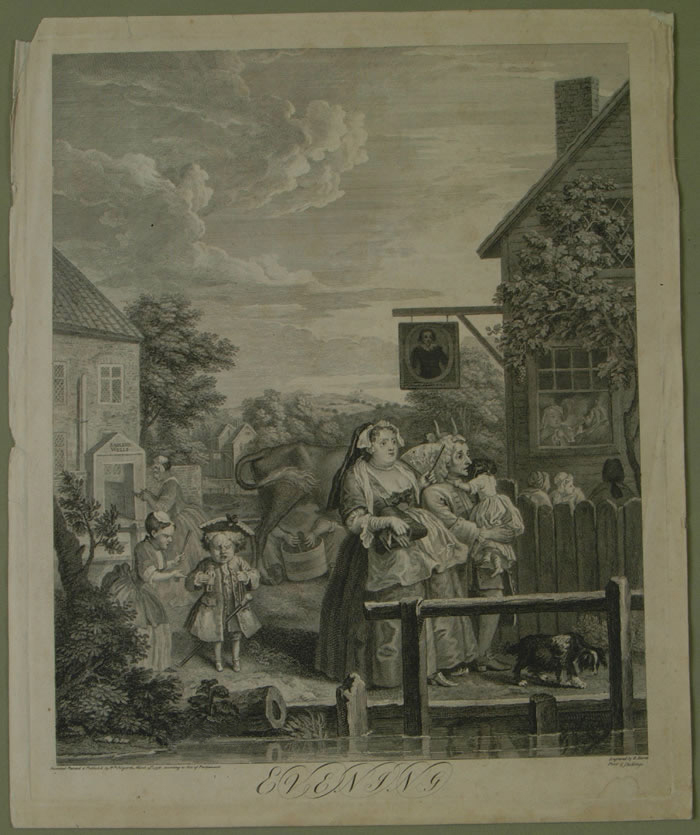
William Hogarth (1697-1764) and Bernard Baron (1696-1762), Evening from 'Four Times of Day', 1738. Link…
This engraving after William Hogarth’s Evening scene is taken from his series of four paintings ‘Four Times a Day’ (1736) which now belong to the National Trust’s Upton House and a Private collection. Hogarth selected Baron amongst others to engrave his work which was to be sold by subscription along with a fifth print of Strolling Actresses Dressing in a Barn (1738) for the amount of one Guinea, which rose to five shillings per print after subscription. By this time Hogarth’s prints had proven to be immensely popular with the middle-class and as noted on the bottom inscription were protected from illegal copying, which Hogarth’s work had been subject to. He had campaigned for the Engraver’s Copyright Act, which came into force just a few years before this engraving was published.
This print is in its second state identified by the addition of the sister who taunts her crying brother (before her addition, the tearful boy had seemed unexplained). The girl is thought to be added by Hogarth himself and he also went on to correct the painting accordingly. The inscription Sadlers Wells above the door way and the inscription of the name Sr Hugh Middleton (famous for bringing freshwater into central London) on the tavern sign are also new, both helping to explain and enhance the narrative. This second state also shows added cross-hatching in various parts of the picture and changed details around the added girl. The reason for these changes is inscribed underneath the first state suggesting that Hogarth himself made the alterations, from the similarity in the handwriting.
Morning, Noon, Evening and Night are the titles in the series which describes the daily life of eighteenth-century London, but also the contrasts within it. Hogarth uses the idea of classical allegorical figures for the times of the day that had become popular decoration in stately homes, known as point-du-jour. However, with true Hogarthian wit he depicts this theme with an ironic and witty twist: in Morning the ‘Aurora’ is depicted as a frosty prude who contrasts with the heat of the amorous couples outside Tom King’s Coffee House. The protagonist of Evening contrasts the graceful and chaste Venus (as suggested by the story on her fan of Venus detaining Adonis from the Chase) and instead we are presented with a fierce pregnant wife who scolds her small flustered husband, a dyer by trade (as suggested by his darkened hands which would have originally been stained blue in the prints). The strategically placed cow horns behind his head indicate his cuckoldry. The two children behind them reflect the relationship of their parents by the girl taunting her younger brother over the toy king he holds. The parallels between the children’s relationship and the parents’, as Paulson suggests, shows that there is no escape in the future as there is no escape to the country.
Evening, a ‘pastoral’ scene set in Sadlers Wells (at the time a popular middle-class resort) is the only part of the series that is set outside central London. The family’s attempt to escape the heat of the city on a day out to north London is prominently seen as a failure in the flustered faces of the adults (the wife’s face would have originally been tinted with red). In particular the husband has been forced from his afternoon’s rest but is unable to escape the dominance of his wife or the burden of his children. The harassed couple are contrasted by the group behind them who have gathered in the open air for a more relaxing and cooling drink. The intense heat is suggested by the lush grape vine growing against the tavern and the dog that walks sluggishly while looking towards the cooling water. The milking of the cow shows that the time is early evening at around five. - Samantha Smith. Link…
Monday, September 25, 2006

Bird's-eye


3-D perspective maps from 1882. Link…

Friday, September 22, 2006

Ling long


Ling long women's magazine, published in Shanghai from 1931 to 1937, was popular during a time of dramatic material, social, and political change in China. Today, the magazine offers researchers a unique glimpse into women's lives in Republican-era (1911-49) Shanghai. Link…

Thursday, September 21, 2006

Cambridge library


Photographs covering the British Empire, religion, military campaigns, amongst others. Link…
This photograph was taken by a soldier on the Kumasi Ashanti Expedition, Whale (Ju Ju) Big fetish play, Gold Coast (circa 1900). A large whale-shaped object approximately twenty to twenty-five feet in length. The object appears to be a boat covered in a tarpaulin, with a 'mouth' at one end, a 'tail' at the other and two propeller-like objects on the side, possibly representing fins. The 'whale' also has a number of ornately decorated objects mounted along its top.